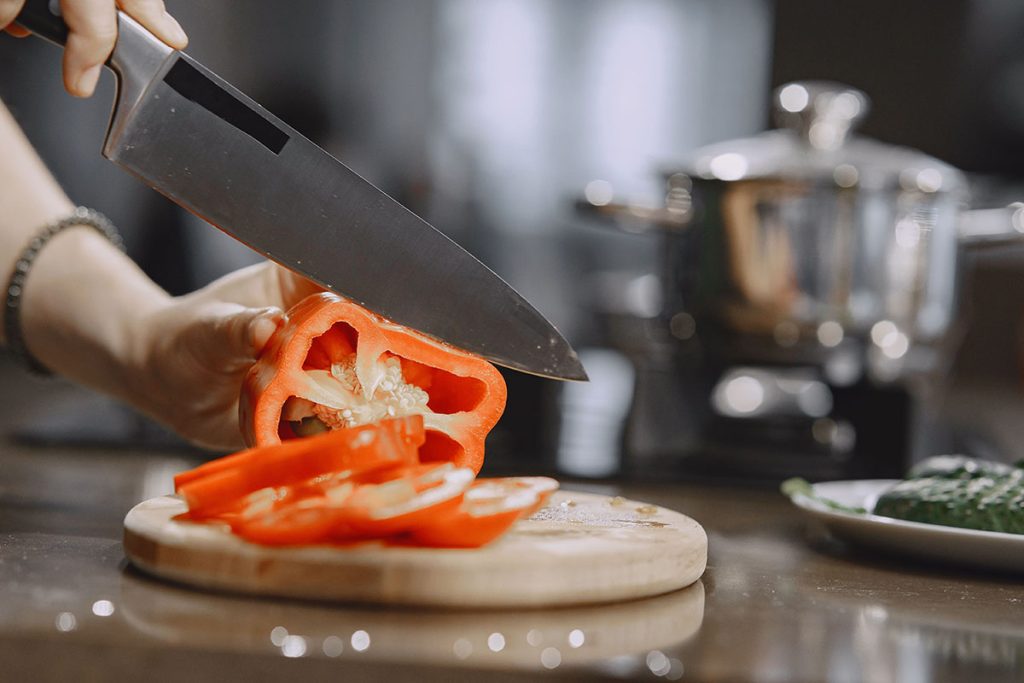
Walk into any professional kitchen in America, and you will see the same knife over and over again. It doesn’t have a fancy Damascus steel pattern. It doesn’t come in a beautiful wooden box. In fact, it looks a bit plain.
But it is the knife that culinary school students are told to buy on day one. It is the knife that line cooks use for 12 hours straight. It is the Victorinox Fibrox Pro.
If you are tired of cheap kitchen knives that go dull after two weeks, or expensive knives that you are too afraid to actually use, this Victorinox Fibrox Pro Review is what you need to read. We are breaking down exactly why this $50 knife outperforms knives that cost three times as much.
Disclosure: As an Amazon Associate, we earn from qualifying purchases. If you click on a link and make a purchase, we may receive a small commission at no extra cost to you.
The Product At A Glance
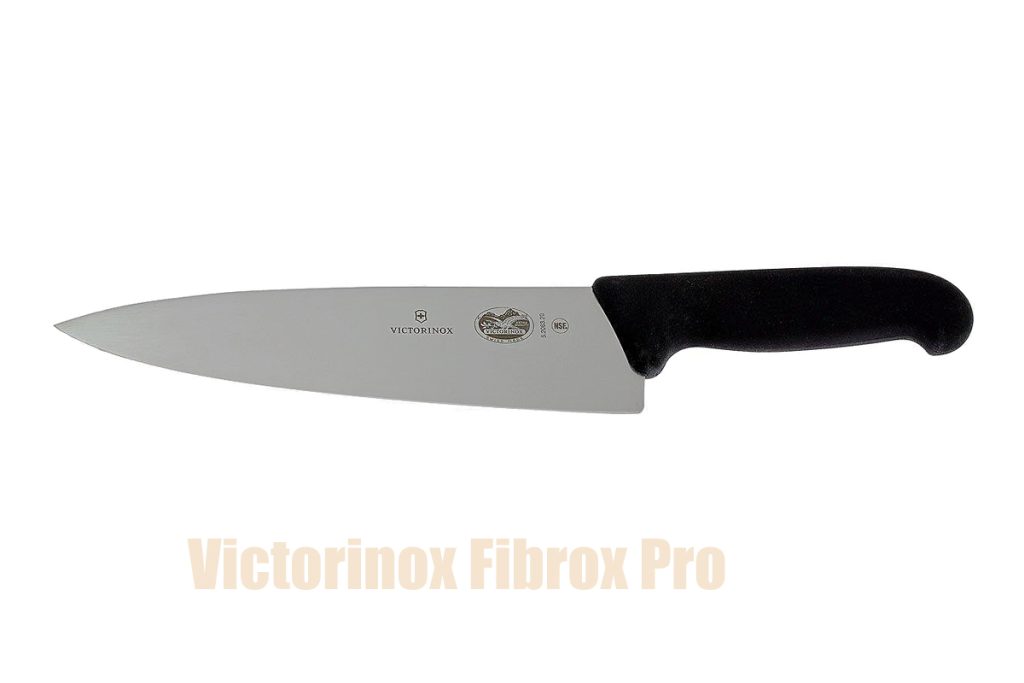
Top Pick: Victorinox Fibrox Pro Chef’s Knife
Blade Size: 8 Inches
Material: High Carbon Stainless Steel
Handle: Textured, Non Slip Fibrox
Best For: Everyday kitchen prep, beginners, professional chefs
Key Feature: Stamped blade (not forged), incredibly sharp out of the box
Price Range: $40 – $55
Why the 8 Inch Chef’s Knife is the Only Knife You Need
Before diving into the Victorinox specifically, let’s talk about the size. If you are building a kitchen from scratch, an 8 inch chef’s knife is the absolute foundation.
A 6 inch knife is too small to break down a head of cabbage. A 10 inch knife is heavy and takes up too much space on a small cutting board. The 8 inch blade is the Goldilocks size. It handles 90% of daily kitchen tasks chopping onions, slicing chicken breasts, mincing garlic, and cutting up potatoes.
You don’t need a $300 knife block with 15 different blades. You need one great 8 inch knife, a small paring knife, and a serrated bread knife. That is it.
The “Stamped vs. Forged” Debate
There is a massive myth in the culinary world that a “forged” knife (made from a single piece of heated metal) is always better than a “stamped” knife (cut from a large sheet of steel like a cookie cutter).
The Victorinox is a stamped knife. And that is actually its biggest advantage.
Because it is stamped, the blade is thinner and lighter than heavy German forged knives. This means you can slice through vegetables for an hour without your wrist getting tired. The steel is also slightly softer, which makes it incredibly easy to sharpen at home with a simple honing rod or whetstone.
Yes, a forged knife feels heavier and more “premium” in your hand. But for pure slicing efficiency in a home kitchen, stamped is often better.
Real World Performance: How It Cuts
We tested this knife on the holy trinity of kitchen prep: onions, tomatoes, and raw meat.
1. The Onion Test
A dull knife will slip off the skin of an onion and crush the layers, making you cry. The Victorinox sliced right through the skin with zero pressure. The blade is thin enough to glide through the onion layers without tearing them, giving you perfect, clean dices.
2. The Tomato Test
You don’t need a serrated knife for tomatoes if your chef’s knife is sharp. This knife cut paper thin slices of a ripe, soft tomato without squishing the flesh at all. The edge comes factory sharpened, which is a huge plus.
3. Breaking Down a Whole Chicken
The 8 inch blade is long enough to cut through chicken bones and joints if you use the heel of the knife. The textured handle gave us a very secure grip even when our hands were covered in chicken juices and fat.
The Handle: The Best Feature Nobody Talks About
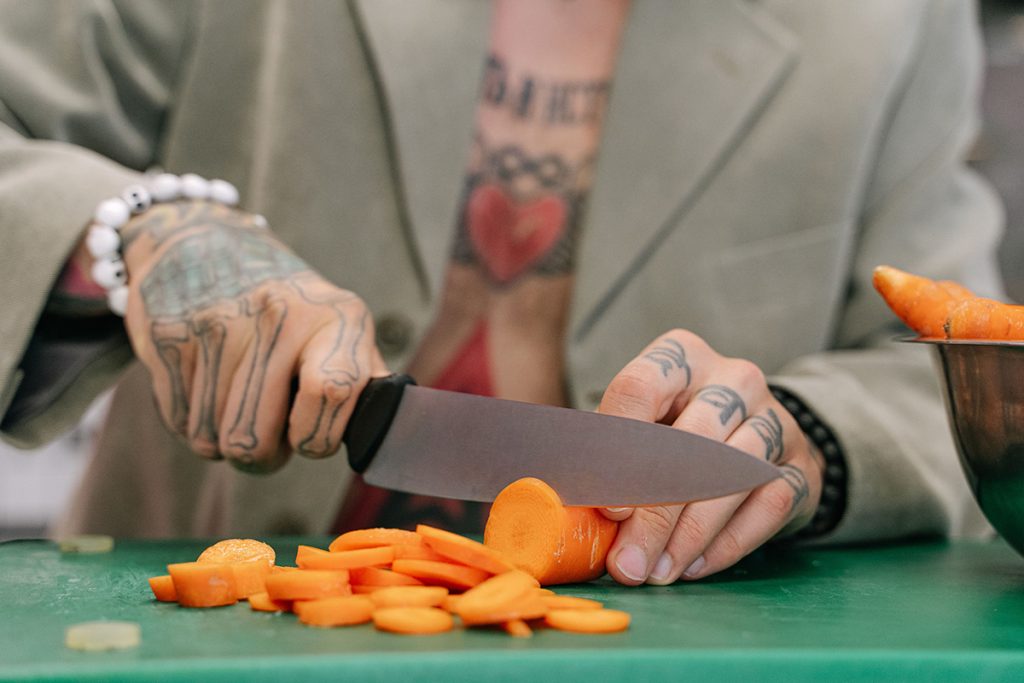
The blade gets all the attention, but the Fibrox handle is what sets this knife apart.
Most expensive knives have smooth wooden or polished plastic handles. When your hands are wet or greasy, smooth handles become incredibly slippery. The Victorinox uses a material called “Fibrox,” which has a textured, matte finish. It feels almost like sandpaper, but in a good way.
Even if you dip your hand in a bowl of water or massage a chicken with olive oil, the knife stays firmly in your grip. This slip resistance makes it one of the safest knives for beginners.
The handle also has an ergonomic curve that fits naturally into the palm of your hand. The angle of the handle keeps your knuckles off the cutting board when you are chopping.
The Downsides: What You Need to Know
Every product has flaws, and you should know the truth before buying.
1. It Looks Cheap
Let’s be real. The black Fibrox handle and the plain steel blade are not going to win any beauty contests. If you want a knife to display on a magnetic strip for your dinner guests to admire, this isn’t it. It looks like a commercial tool, not a high end luxury item.
2. The Blade is Not Full Tang
A “full tang” knife means the metal of the blade extends all the way to the end of the handle. The Victorinox has a partial tang. This makes it lighter, but it means the knife doesn’t feel as indestructible as a heavy German knife. You shouldn’t use it to pry open a can of paint.
3. The Edge Can Roll
Because the steel is relatively soft (which makes it easy to sharpen), the edge can sometimes roll over if you accidentally chop into a chicken bone or a frozen piece of food. However, a few swipes on a honing rod will fix this immediately.
Who Should Buy the Victorinox Fibrox?
Buy it if:
- You want a professional grade knife without spending over $100.
- You are a beginner who wants a safe, slip resistant handle.
- You do a lot of vegetable prep and want a lightweight blade.
- You want a knife you aren’t afraid to actually use and scratch.
Skip it if:
- You want a beautiful, forged knife for display.
- You prefer a heavy, full tang knife with a lot of heft.
- You want a Japanese knife with a razor thin, hard steel edge.
How to Maintain Your New Chef’s Knife
Buying a good knife is only half the battle. If you throw this knife in the dishwasher, you will ruin it.
1. Never Put It in the Dishwasher
Dishwasher detergent is incredibly abrasive and hot. It will ruin the edge of the blade and dry out the Fibrox handle, causing it to crack over time.
2. Hand Wash and Dry Immediately
Wash it with warm water, mild dish soap, and a sponge. Do not let it sit in a wet sink. Dry it immediately with a towel.
3. Use a Honing Rod Weekly
Get a basic ceramic or steel honing rod. Every few uses, slide the blade down the rod at a 15-20 degree angle. This realigns the microscopic teeth on the edge and keeps the knife sharp.
4. Don’t Use Glass Cutting Boards
Glass cutting boards will destroy this blade instantly. Use a wooden cutting board (maple or walnut) or a high quality plastic cutting board (like HDPE).
Frequently Asked Questions (FAQs)
1. Is this knife really used by professional chefs?
Yes. It is one of the most common knives found in restaurant kitchens because it is cheap, reliable, and takes a beating.
2. Does it come with a cover or sheath?
Some listings include a basic plastic blade guard, but you should check the specific product page. It’s always a good idea to buy a separate edge guard to protect the blade in your drawer.
3. How often do I need to sharpen it?
If you hone it weekly with a rod, you might only need to sharpen it on a whetstone once or twice a year.
4. Is it good for cutting meat?
Absolutely. The 8 inch blade is perfect for breaking down large cuts of meat or slicing steaks.
Final Verdict: Is It Worth Your Money?
The Victorinox Fibrox Pro Chef’s Knife is the best value knife on the market. It proves that you don’t need to spend $200 to get a knife that holds a sharp edge and feels great in your hand.
It is not the prettiest knife in the world. It is a tool. But it is a tool that will make cooking faster, safer, and a lot more enjoyable. If you are tired of fighting with dull kitchen knives, buy this one. You will wonder why you didn’t buy it sooner.
Overall Rating: 4.8 out of 5 Stars